Everything you'll want to know.
What to wear, what to pack, what we do when it rains, and how much it costs. The practical things, in plain language.
What to wear.
The right clothes change everything. We dress for warmth and dryness, not for looking nice — that comes off in the first ten minutes anyway.
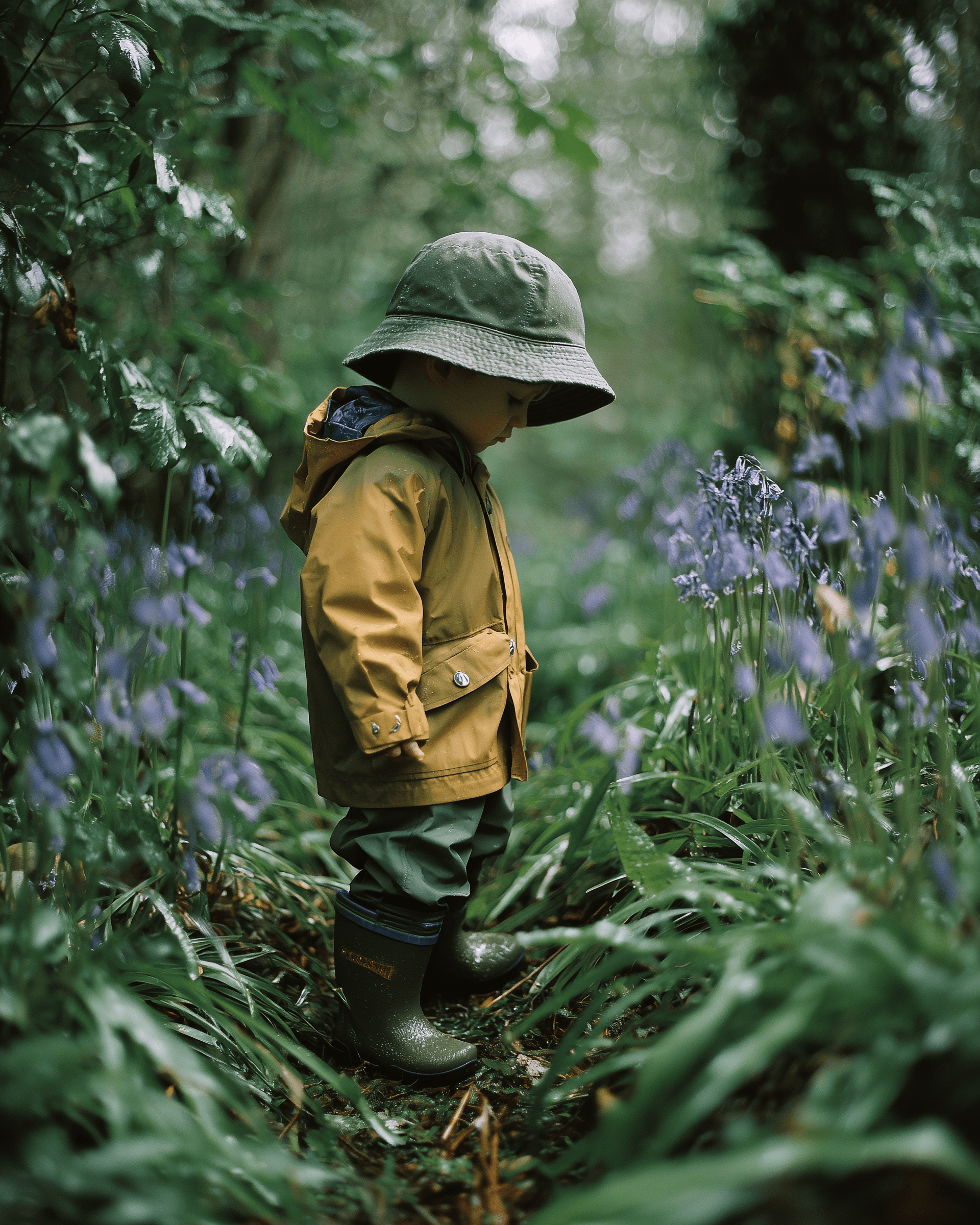
Spring
- ·Waterproof rain pants
- ·Hiking boots + thick socks
- ·Light wool layer
- ·Sun hat in pocket
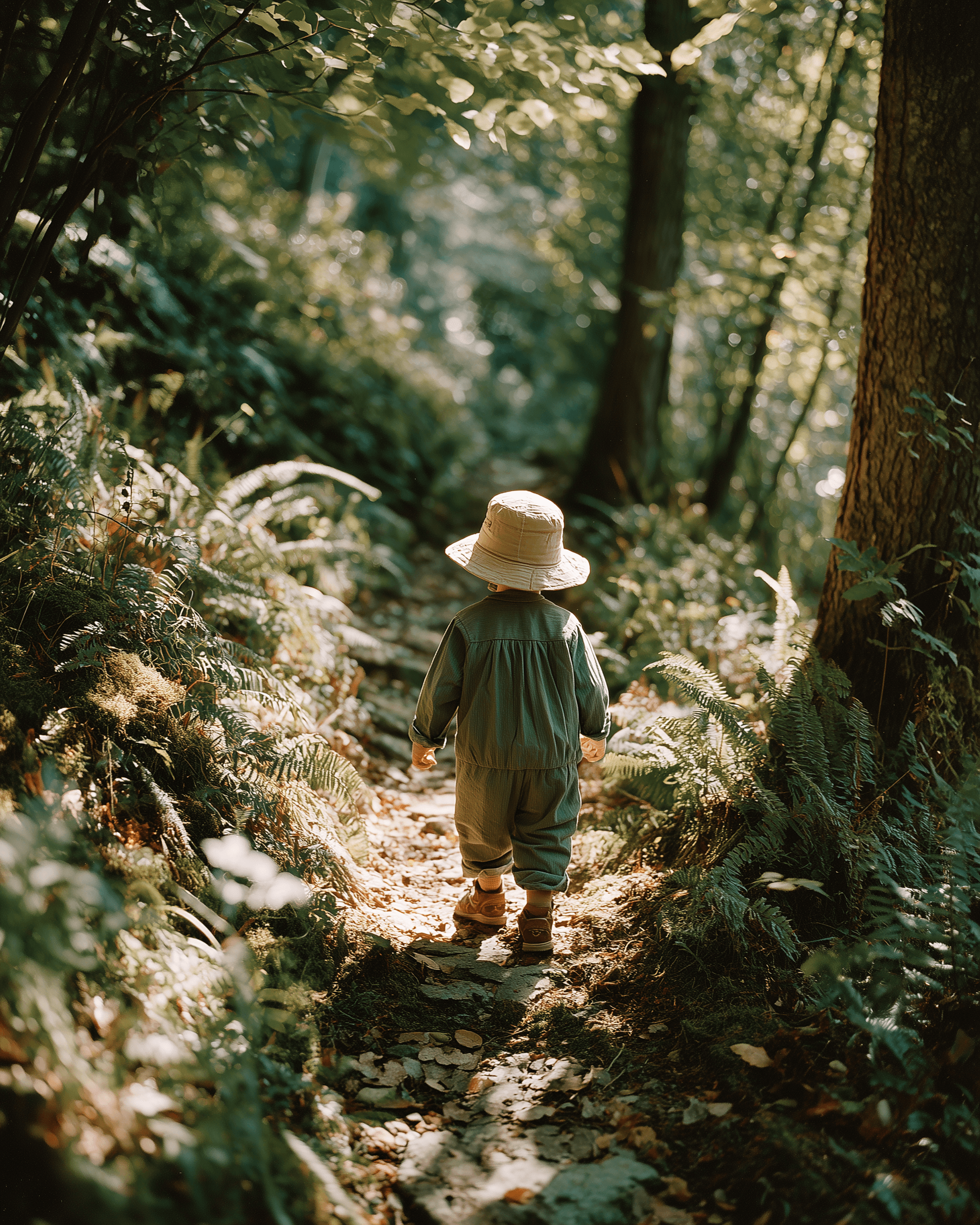
Summer
- ·Long sleeves (ticks)
- ·Light long trousers
- ·Closed shoes
- ·Sun hat & sunscreen
- ·Refillable water bottle
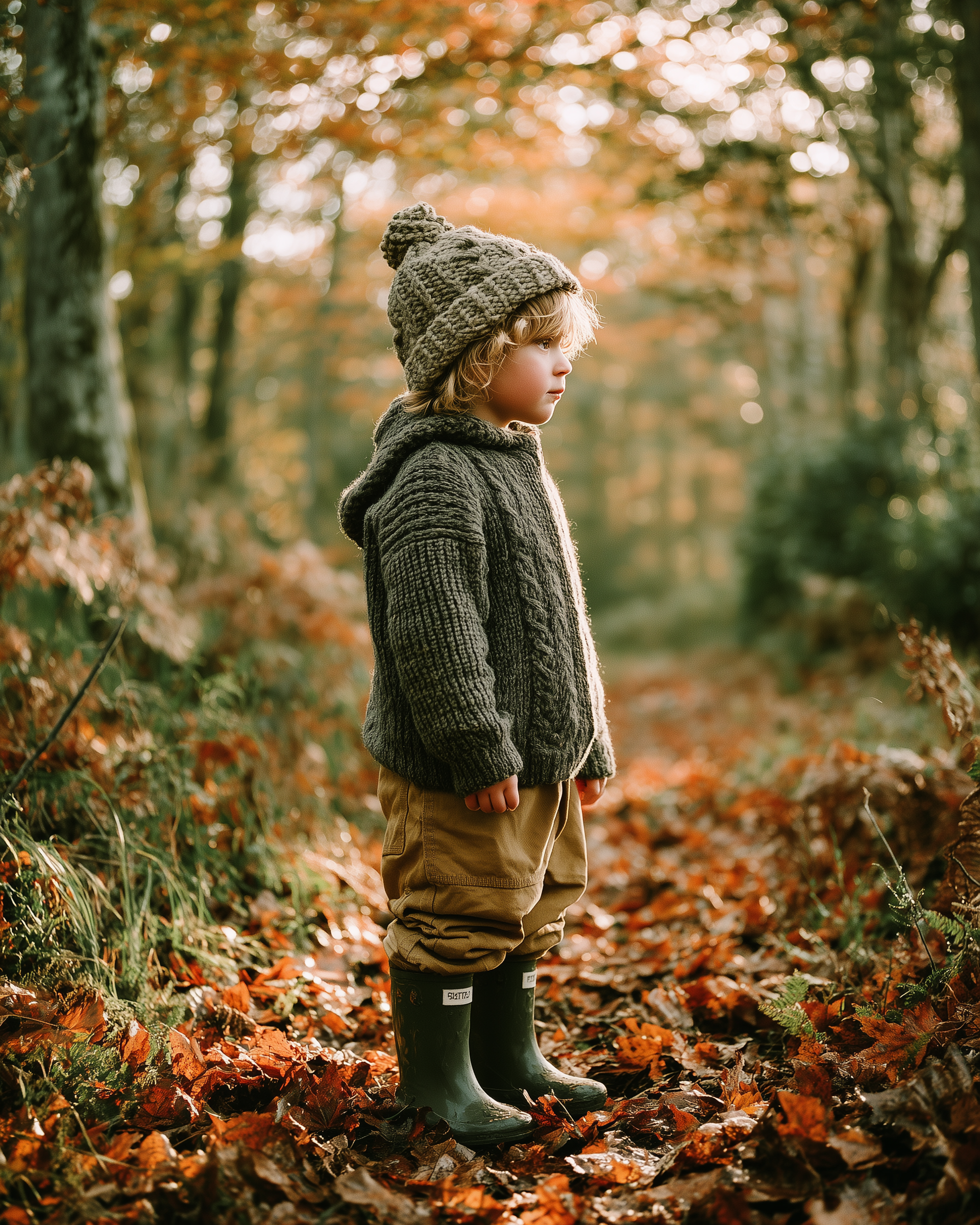
Autumn
- ·Wool base layer
- ·Waterproof jacket
- ·Rain pants
- ·Beanie + thin gloves
- ·Hiking boots
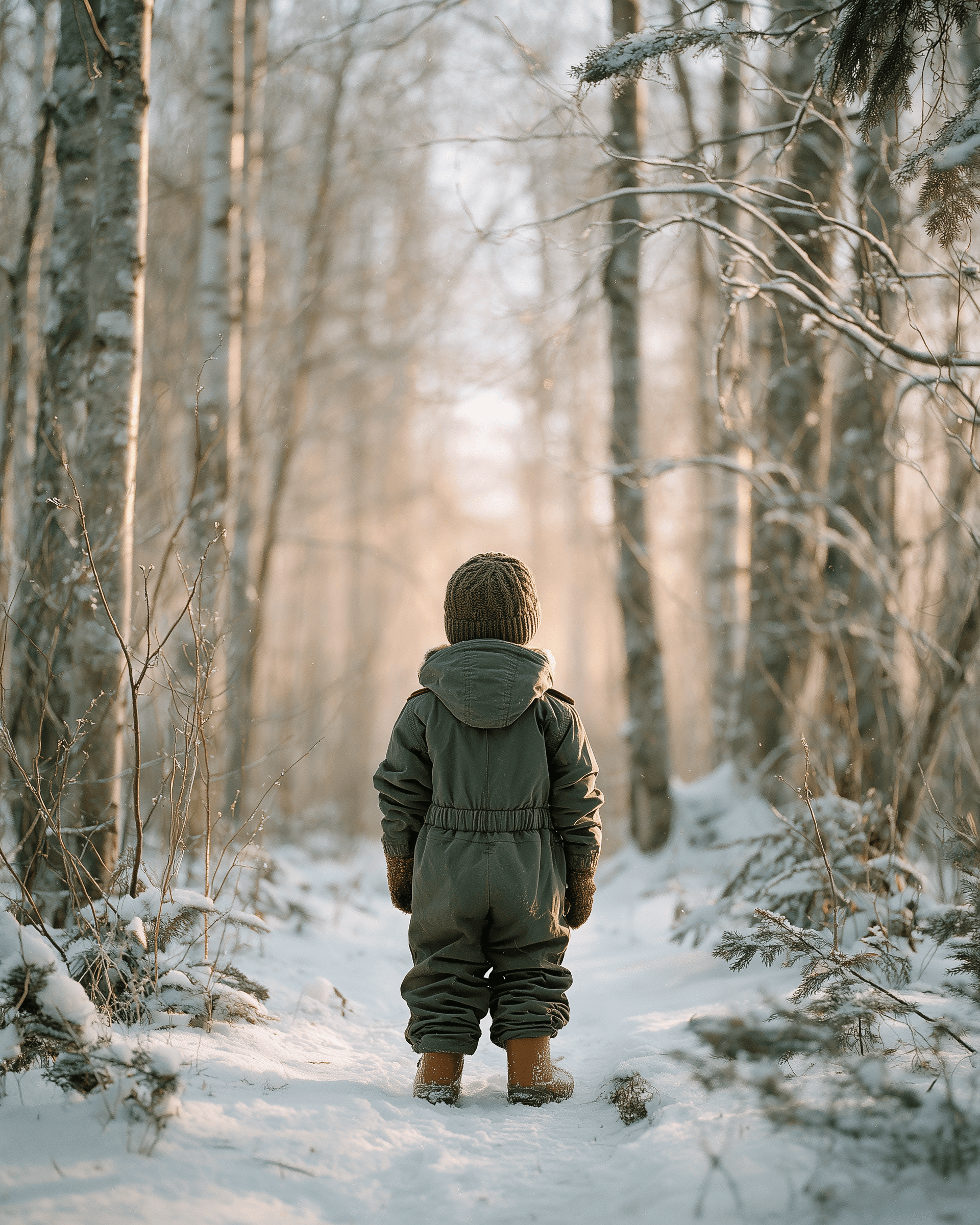
Winter
- ·Merino wool base
- ·Fleece mid-layer
- ·Insulated rain trousers
- ·Snow boots, two pairs of socks
- ·Warm gloves & balaclava
What to pack.
A small rucksack the child can carry themselves. Labelled. Six things, every day.
- Change of clothesTop to toe — they get wet, they get muddy
- Water bottle500 ml, refillable, easy to open alone
- Snack & something to grillA healthy snack, plus sausage, corn or stick bread for the fire
- Sun hat or beanieDepending on the season
- A small comfortA felt mouse, a pebble — for circle time, optional
- Sturdy bagOne they can put on themselves
The frequently asked.
What happens when it rains?+
We go out. Children wearing the right clothes find rain delightful. We adjust the route to find shelter under the canopy, and we cut the morning short only if the weather is genuinely dangerous — lightning, severe winds, or temperatures below −10°C. On those rare days we cancel the morning and let you know the evening before.
What if my child is ill?+
Please keep them home. We follow standard Swiss Kita guidelines: 24 hours fever-free before return, no acute infectious symptoms. We err on the cautious side; small groups in cold air mean illness travels fast otherwise. Please let us know by 08:00.
Food allergies?+
We accommodate all allergies and intolerances. We confirm allergy management protocols at registration and keep an EpiPen on site if needed. Children bring their snack from home.
Toilet training?+
Not required. Many of our youngest children are still in nappies. Children relieve themselves in the forest, and the educators carry the solids out in a bag.
How does settling in work?+
Settling in goes at each child's own pace — usually two to three weeks, sometimes longer. On the first day parents come into the forest too. After that the educators try the first short separations, step by step and led by the child.
How many educators are with the children?+
There are always two of us in the forest, and three when the day calls for it. Never one.
Honest numbers.
All prices in CHF, monthly, billed in advance. Sibling discount −10%. No hidden costs.
One day a week
- ·Mornings 08:30–11:30
Two days a week
- ·Mornings 08:30–11:30
Three days a week
- ·Mornings 08:30–11:30
Four days a week
- ·Mornings 08:30–11:30
Registration form 2026/2027
Download it, fill it in, sign it — then email it to info@waldkinderuster.ch or post it to Hanfrosenweg 7, 8615 Wermatswil.